
Answer: Useful AI agent case studies for marketing and ad ops show operational wins you can verify: faster research packs, fewer missed inbox leads, cleaner price checks before publish and less time lost to repetitive browser work. They do not invent ROAS charts. In 2026 the press filled with agent launches from Meta, OpenAI, Adobe and others, which makes honest case writing harder and more valuable. This article walks through five case patterns, labels real Kreativemedia process versus illustrative workflows and shows how to write your own study without fake metrics.
How to read these cases
- Real: Kreativemedia publishing facts since 23 October 2026.
- Illustrative: composite agency workflows, not client results.
- Never: invented scores, quotes or revenue.
Why case studies got noisy in 2026
On 29 September 2026, TechCrunch reported that Meta is expanding its AI agent Muse to small businesses, with new integrations including Shopify, Dropbox and Slack, plus links to Meta ad accounts and Instagram professional analytics. On 16 September 2026, OpenAI announced in Reimagining advertising with AI that it is testing Sponsored Agents with select US advertisers and adding an Ads Manager plugin that creates, updates and analyzes campaigns from prompts. Adobe introduced CX Enterprise at Adobe Summit on 20 April 2026, pitching it as an agentic AI system for customer experience work.
Those stories prove demand. They do not prove your workflow works. Your case study still needs a method, a clock metric and failure notes.
What counts as an AI agent case study
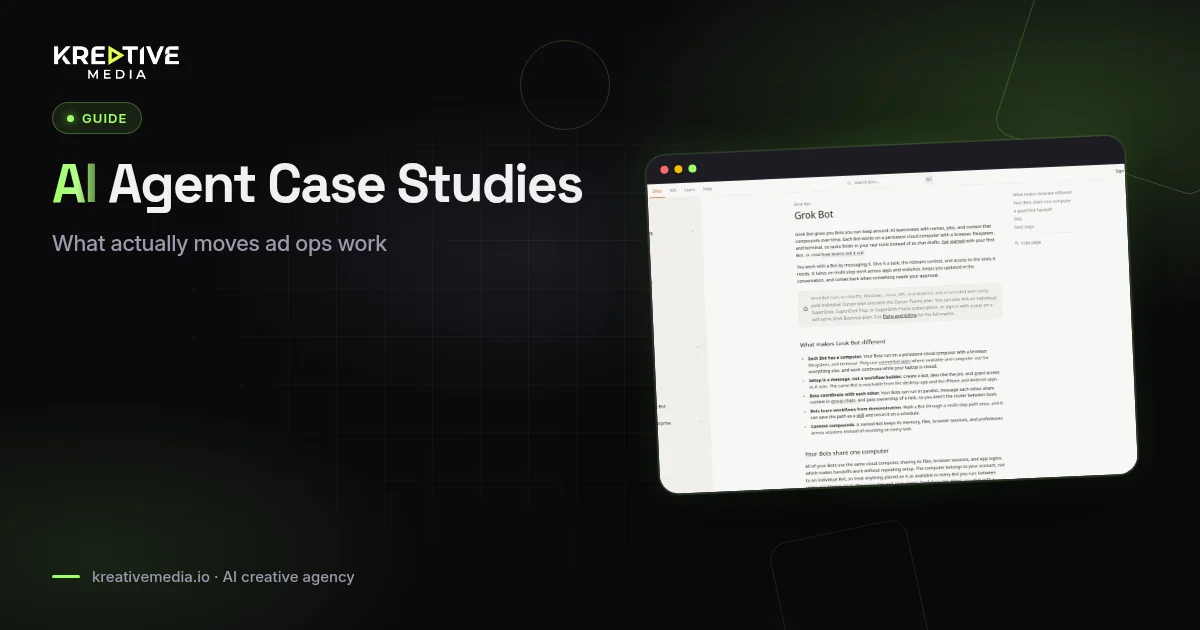
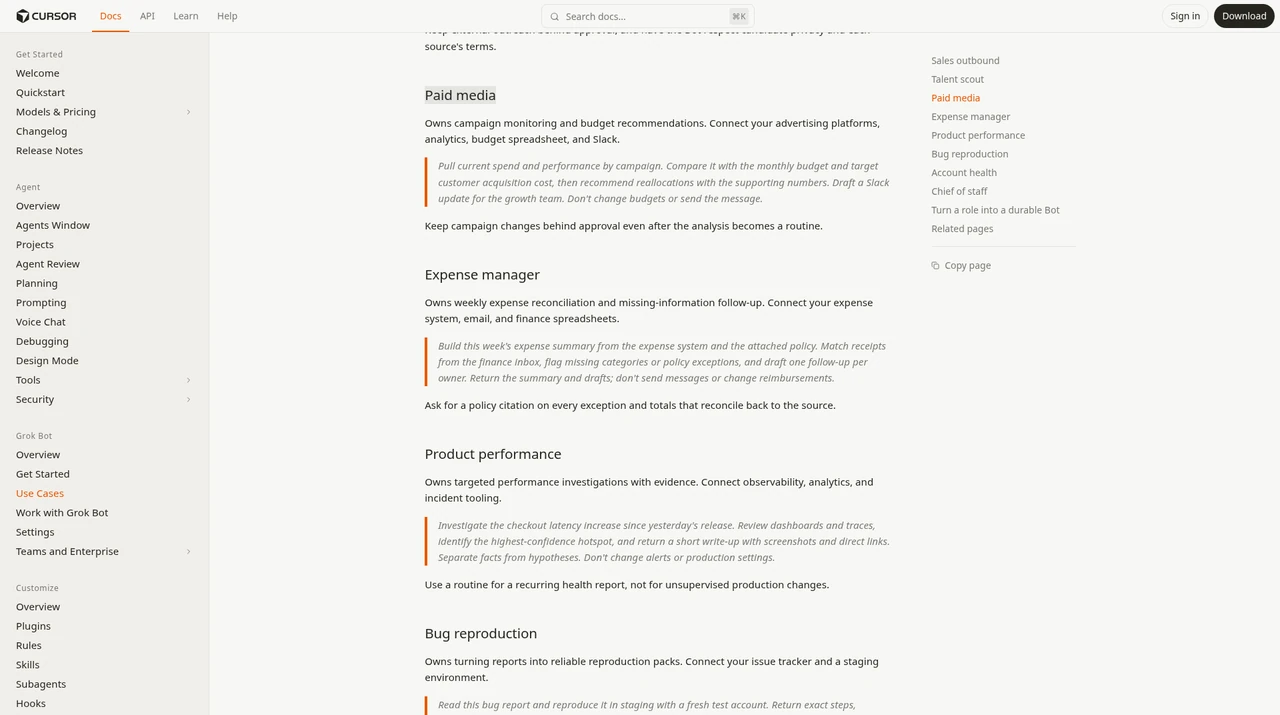
For marketers, an AI agent takes multi-step actions in tools and browsers instead of stopping at a chat reply. Grok Bot is one example: you get named Bots that work on a persistent cloud computer with a browser, plus connected apps, skills and routines. A strong case study states the starting pain, the setup, the approval rules, time before versus after and what still breaks. If a vendor page only shows trophy graphics, treat it as advertising.
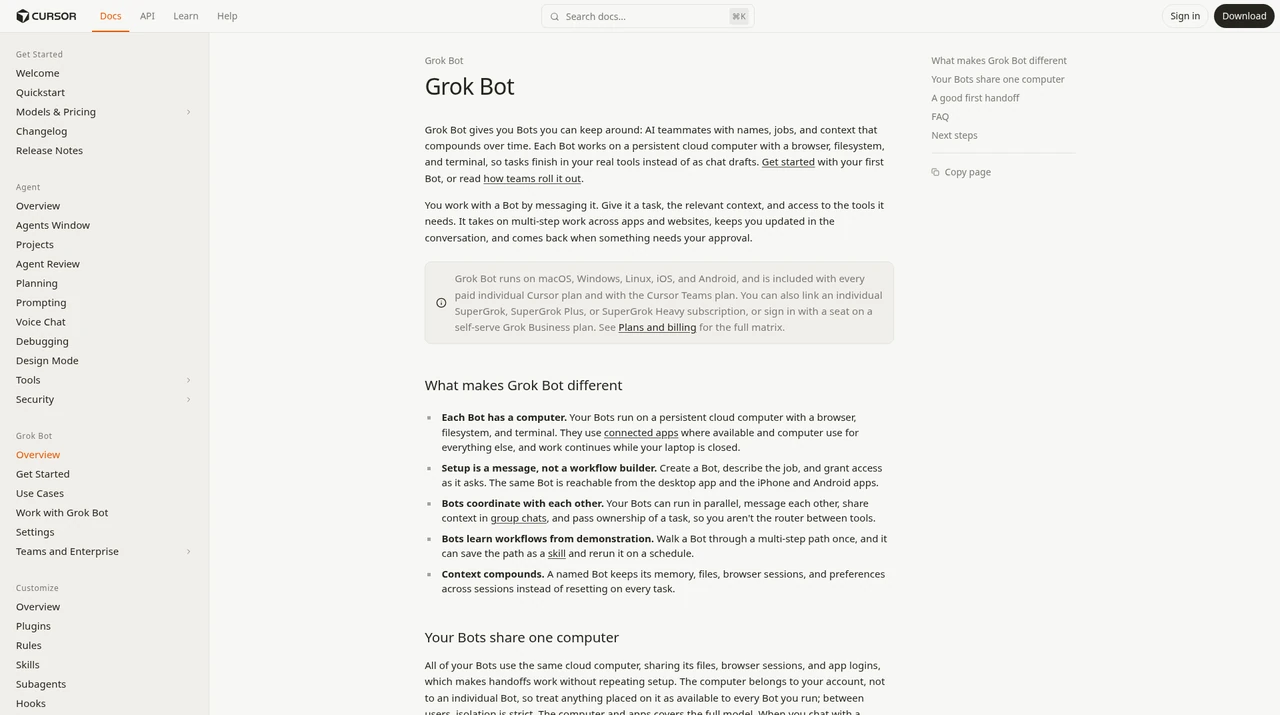
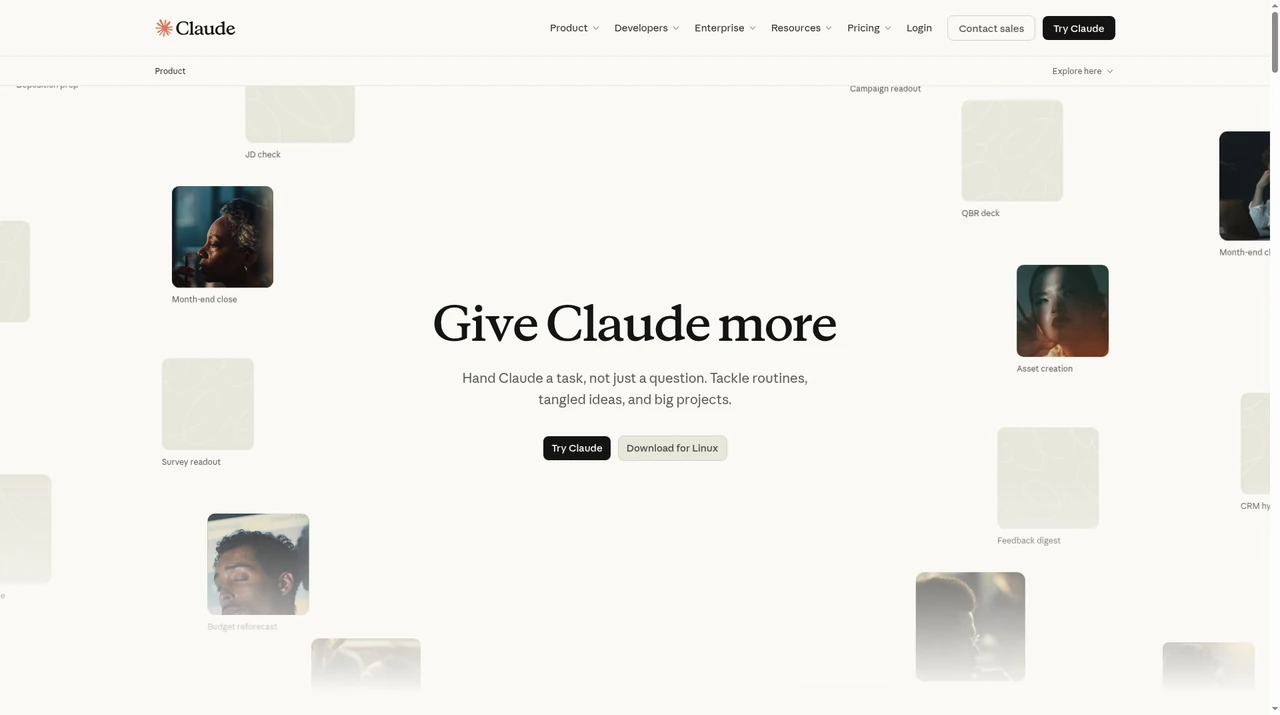
Match the agent to the job. Computer-use Bots suit browser research, Claude suits long copy systems and specialised video tools handle rendering.
Separate three layers when you report results. Layer one is task time. Layer two is draft quality, measured by edit rate. Layer three is media KPIs from a real test design. Mixing layer three claims into a layer one pilot is how fake case studies start.
Case 1: Competitor creative research (illustrative)
Pain: a two-person media team spent half a day each week copying Ad Library creatives into slides.
Setup: computer-use Bot, fixed brand list, markdown template, stop-on-captcha, no ad account login.
Human owns: which angles enter production.
Track: minutes to first pack, packs per week, edit rate.
Do not claim: that the ads won without a controlled test.
After research, production can follow AI UGC ads and Kling vs Seedance. What this case measures is research speed and coverage. Whether the creative is any good is still a human call.
Case 2: Price and rights verification (real KM rule)
On Kreativemedia, every price must match the vendor’s official page on publish day. Unverified figures are removed. Agents can open pricing and terms URLs, pull public plan names and dollar amounts and stamp a check date. Humans decide what stays, especially when prices hide in-app, as discussed in our Arcads review.
Outcome we can state: one consistent standard across the first 16 live posts and fewer post-publish corrections. We are not attaching a traffic percentage to this process, and that restraint is deliberate. Traffic depends on many variables beyond the agent.
Case 3: Sponsor inbox triage (illustrative)
Pain: partnership emails sit unread while creatives get edited.
Setup: Gmail connector, unanswered thread list, draft replies, send disabled.
Track: time to first draft and percent of drafts accepted with light edits.
Failure mode: broad filters pull in newsletters. Fix that with tighter sender and subject rules. Keep the human as the sender until legal and brand are comfortable, which for many teams means forever.
Case 4: Weekly creative changelog digest (illustrative)
Pain: strategists miss official tool changes that affect prompts or rights.
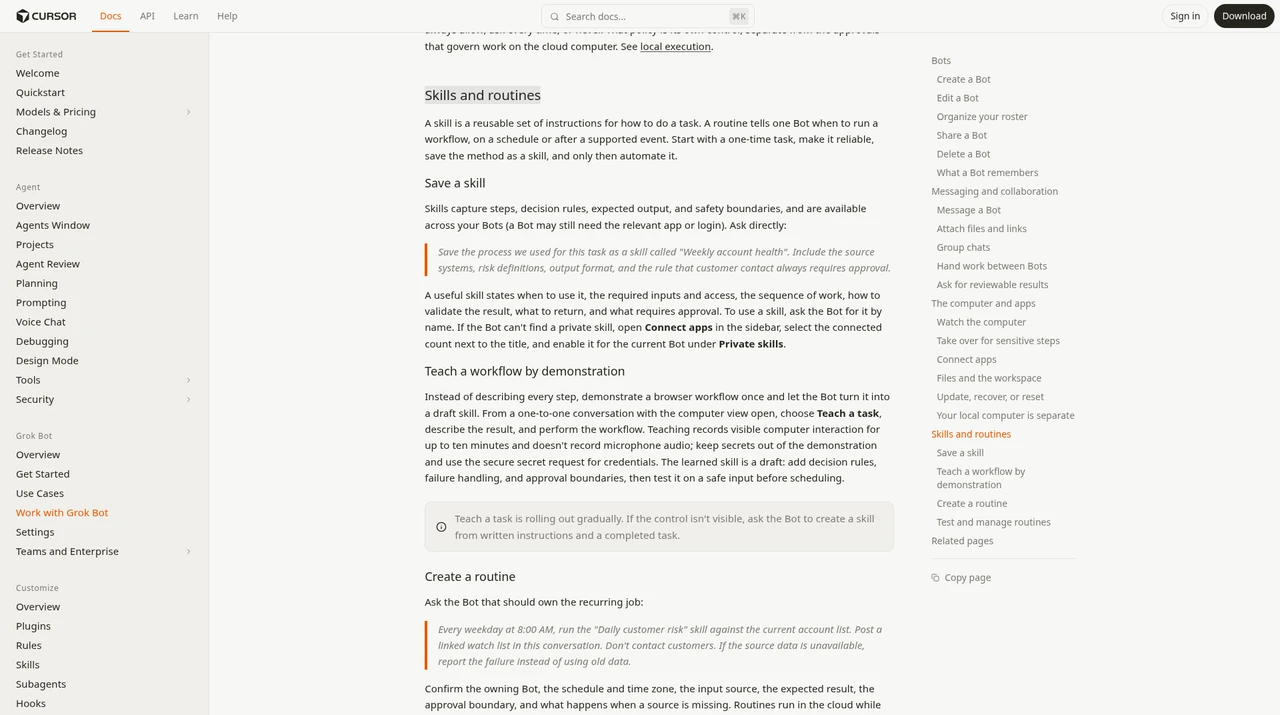
Setup: a Monday routine that visits a fixed list of vendor blogs and policy pages, then posts a digest in chat.
Track: on-time delivery and the number of items that changed a prompt or disclosure note, including guidance like Meta AI disclosure.
This pattern pairs well with a public news roundup format. The digest is internal and the roundup is editorial, so do not paste confidential client implications into the public post.
Case 5: Kreativemedia publishing ops (real)
Since 23 October 2026, blog.kreativemedia.io has published one article per day. By 7 November 2026, 16 articles had gone live under that routine, with a larger draft queue behind them. The operating pattern:
- Remove placeholders, invented tests and dead links.
- Verify prices on official pages.
- Run a sounds-human edit pass with no em dashes.
- Publish as Jitendra Vaswani with author bio.
- Add a featured image and official screenshots.
- Set Rank Math title, description and focus keyword.
- Inspect the URL in Google Search Console and request indexing when needed.
Agents help with research and drafting. Humans approve what goes live. We will write up the full publishing workflow in a separate post.
Vanity versus useful case study
| Element | Vanity | Useful |
|---|---|---|
| Metric | 10x results with no method | Minutes saved on a named task |
| Method | Missing | Tools, prompts, approvals |
| Failures | Hidden | Captcha, caps, bad drafts |
| Proof | Stock charts | Dated screenshots and URLs |
| Scope | Whole company transformed | One workflow improved |
14-day pilot plan for an ad team
- Pick one workflow with a clear finish line.
- Write the approval boundary in one sentence.
- Run supervised sessions for five days. Log minutes and edits.
- Save a skill only after two clean runs.
- Add a routine in week two if the skill holds.
- Write an internal case note that includes failures.
- Only then decide whether a public version is honest enough to publish.
Weekday map
| Day | Agent-friendly | Keep human |
|---|---|---|
| Monday | Changelog digest, inbox triage | Budget changes |
| Tuesday | Competitor creative pull | Angle selection |
| Wednesday | Brief and script drafts | Legal review |
| Thursday | Asset renaming, alt text drafts | Final creative QA |
| Friday | Next-week research list | Client reporting narrative |
Risks that sink trust
- Write access to ad accounts without approval.
- Shared credentials across Bots on one computer.
- Measuring vague awareness instead of task time.
- Copying another company’s numbers from a sales deck.
- Ignoring disclosure when AI faces appear in ads.
- Turning a two-day pilot into a forever case study without re-measurement.
How to write the public version
- Open with a clock metric outcome in one sentence.
- Give team size and channel context.
- Describe the before state with the same metric.
- Explain the architecture: triggers, agent, approvals, outputs.
- Show the after state.
- List failures and mitigations.
- State what you will not automate next.
Blur client names unless you have permission. Link educational posts such as how much AI video ads cost and AI UGC vs real creators cost so readers can act even without your private spreadsheets.
Connecting ops wins to production cost
Agents cut research time. They do not erase render costs or media spend. When leadership asks what the time savings are worth, bring production economics into the same conversation. Otherwise you end up with a glowing agent story next to an unchanged creative budget and no explanation for either.
What the 2026 vendor wave means for your narrative
Meta Muse, OpenAI Sponsored Agents and Adobe CX Enterprise all push the industry toward “the agent does the marketing.” Your edge as an agency or brand team is proof discipline. Say what the agent touched and what a human approved. Then say which metric moved and what failed. That tone will age better than slogan case studies when the next tool launch lands.
Publishing the case study without overselling
Public case studies attract inbound leads and sales conversations. They also attract skepticism. The safest structure is short: problem, architecture, clock metric, failure list, next experiment. Anything longer should add method detail, not more adjectives. If a client forbids naming, say so and keep the metric. If you do not have permission to share numbers, do not invent softer substitutes like “dramatic improvement.” Soft language without numbers is still a claim.
When you cite industry news as context, keep the citation honest. A Meta Muse launch story explains market momentum. It does not prove your agency’s Muse rollout worked, so keep context links and proof links apart. Context links can be TechCrunch or a vendor newsroom. Proof links should be your dated screenshots, your Search Console inspection notes or your internal time logs with sensitive rows removed.
How to measure the week without inventing vanity KPIs
Start with three numbers every editor can collect without a BI tool. First is cycle time from brief request to approved research pack. Second is edit rate: how many sentences a human rewrites before publish or shoot. Third is rejection rate, meaning packs thrown away because the angle list was useless. Put those numbers in a shared sheet every Friday. After four weeks you will know whether the agent is saving hours or moving the same work into review meetings.
Resist the urge to attach paid media ROAS to a research agent in the first month. Media results depend on offer, creative, audience, season and landing page. An honest ops win can sit beside a flat ROAS without becoming a failure story. When leadership demands a money metric, convert hours saved into the loaded hourly cost of the people who used to do the work. That conversion is still an estimate, but it is closer to the truth than a fake conversion chart.
Log failure modes in the same sheet. Captcha stops, rate limits, empty search results and hallucinated prices all belong there. Teams that hide failures end up over-automating the next sprint. Teams that list them end up with better stop rules and clearer human ownership.
FAQs
What should an AI agent case study include?
Pain, setup, approval rules, a clock metric, failures and dated proof. Skip invented revenue lifts.
Do you publish client ROAS agent case studies here?
Not in this article. We only state operational facts we can defend, including Kreativemedia publishing process facts.
Which agent is best for ad ops?
Match the job. Computer-use Bots for browser research, Claude for long copy systems, specialised video tools for rendering.
How long until a routine is trustworthy?
Supervise until edit rates stabilise. Many teams need about a week before scheduling.
Can illustrative workflows be published?
Yes, if they are labelled clearly and never dressed up as measured client results.
How do agents fit AI UGC production?
Agents gather angles and drafts. UGC tools render. Rights and cost still need humans, as covered in our Higgsfield review and Arcads alternatives guide.
What should leadership see first?
Task cycle time, draft error rate and approval rate before any media KPI.
Which news stories set context in 2026?
TechCrunch on Meta Muse (29 September 2026), OpenAI’s own Sponsored Agents announcement (16 September 2026) and Adobe’s CX Enterprise launch at Adobe Summit (20 April 2026) are solid starting points.

Jitendra Vaswani is an SEO expert, AI and marketing professional, and the founder behind Kreativemedia. He started BloggersIdeas in 2013, runs AffiliateBooster and SchemaNinja, and through DigiExe has worked with 1,400+ clients across 28 countries. He is the international bestselling author of Inside A Hustler’s Brain (20,000+ copies) and has spoken at Affiliate Summit, Affiliate World, DMSS and TES. Find him at jitendra.co.