


Answer: Fully synthetic AI fashion models are generally legal to use in most markets when your tool plan allows commercial use. The higher-risk case is a digital replica of a real model or influencer. New York’s Fashion Workers Act, effective 19 June 2025, requires clear, separate written consent before creating or using a model’s digital replica, covering scope, purpose, pay and duration. Also check ad-platform AI labels, EU deepfake transparency rules that apply from 2 August 2026, and tool terms. Sources below were re-checked on 9 November 2026. This is not legal advice.
Verdict box
- Best for: Brands using fully synthetic models on a commercial-licensed plan
- Skip if: You are recreating a real model or influencer without separate written consent
- Safe for paid ads: Conditional – depends on consent, disclosure rules and platform labels
- Sources checked: 9 November 2026
AI fashion models: legal risk at a glance
| Scenario | Risk | What to do | Source |
|---|---|---|---|
| Fully synthetic model (no real person) | Lower | Confirm commercial rights on your plan; keep generation records | FASHN Terms; Midjourney commercial use |
| Digital replica of a real model (New York) | High without consent | Get clear, conspicuous, separate written consent: scope, purpose, rate of pay, duration | NY DOL Fashion Workers Act FAQs; Definitions |
| Celebrity or influencer likeness | High | Do not generate or publish without rights clearance | Right of publicity / publicity statutes; see Foley & Lardner overview (12 March 2026) |
| AI model used as a testimonial | FTC risk | Do not imply a real customer or celebrity endorsement you do not have | 16 CFR Part 465 (consumer reviews and testimonials) |
Terms and statutes change. Re-read the linked pages before you ship a campaign. Nothing here is legal advice.
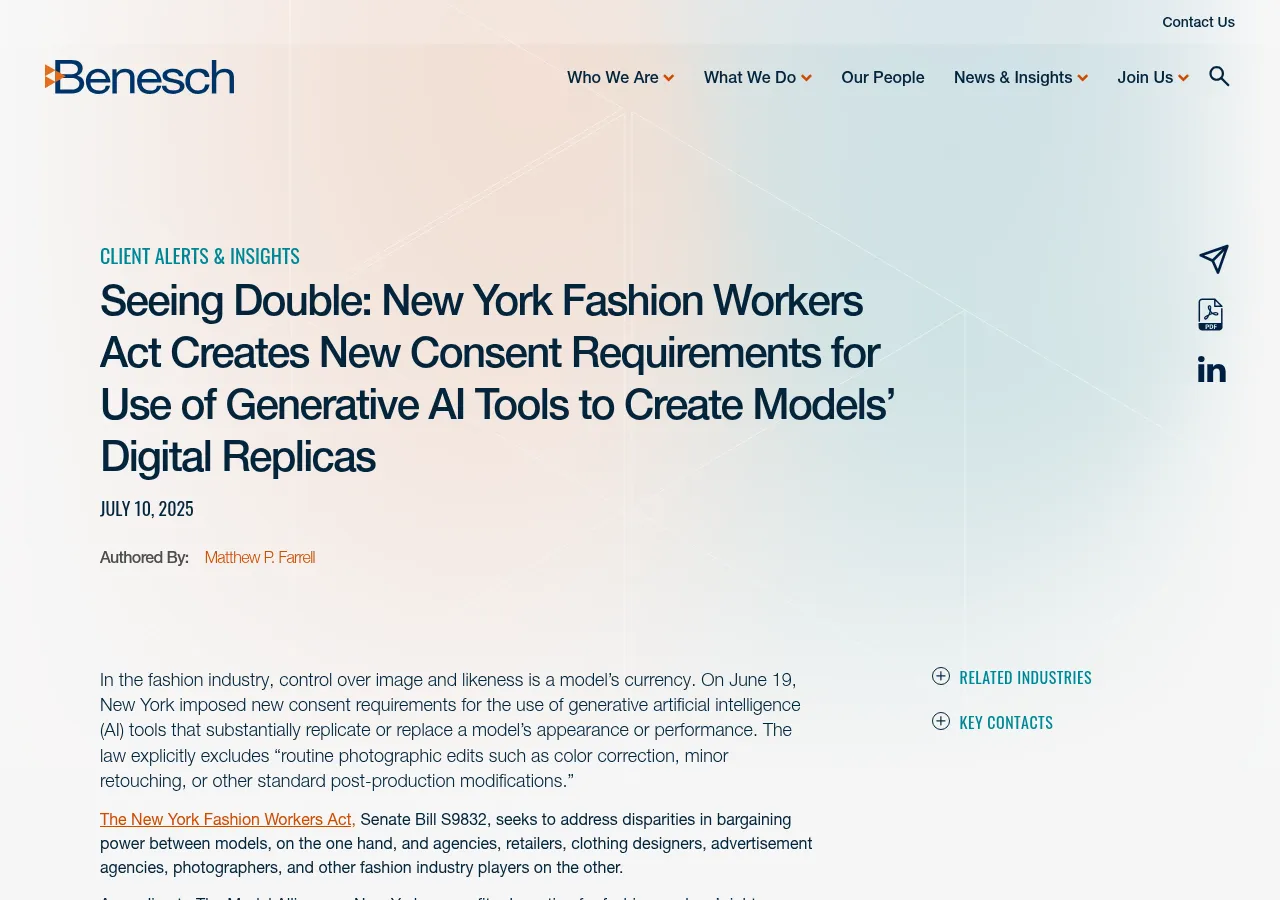
For a wider industry read on digital doubles and the 2025-2026 statute wave, see Foley & Lardner’s How AI, Digital Doubles, and New Laws Are Rewriting Fashion and Beauty (12 March 2026) and Benesch’s client alert on the Fashion Workers Act consent rules (10 July 2025).

Is it legal to use AI-generated models for clothing?
Yes in the common case: a clothing brand generates a fully synthetic on-model image with a tool whose terms assign commercial rights for that plan, then uses the image on a product page or ad. The harder questions are likeness, consent and disclosure, not “is AI banned.”
Two categories matter:
- Fully synthetic models – no identifiable real person. Your main constraints are the tool’s commercial terms, trademark/logo rights in the garment, and ad-platform rules.
- Digital replicas – a computer-generated or AI-enhanced representation of a real model’s face, body or voice that recreates or replaces their appearance or performance. New York defines this clearly and excludes routine color correction and minor retouching (NY DOL definitions).
If you are shopping tools rather than statutes, start with our best AI fashion model generators guide and the FASHN vs Modelia comparison. For commercial-rights patterns on video models, see Is Seedance safe for commercial use.
What does New York’s Fashion Workers Act require?
The New York State Fashion Workers Act took effect on 19 June 2025. For digital replicas, the New York Department of Labor’s FAQs and duties pages say clients and model management companies must obtain clear, conspicuous, prior written consent before creating or using a model’s digital replica. That consent must be separate from the representation agreement and must detail:
- Scope of the replica use
- Purpose
- Rate of pay
- Length of time the replica will be used
Power of attorney cannot cover digital-replica use. As of 19 June 2025, prior power-of-attorney language that tried to include replicas is no longer valid for that purpose (NY DOL FAQs). Labor Law § 1037 also lists the client’s duty to obtain that written consent.
One practical DOL example: if you already shot a model and later want AI manipulation of those photos for a new campaign, you still need new written approval if the first deal did not cover that use.
Benesch’s 10 July 2025 alert walks through the same consent structure and the routine-edit exclusion for brands and agencies.
Do you have to label AI models in ads?
Often yes, depending on the channel and where the ad runs.
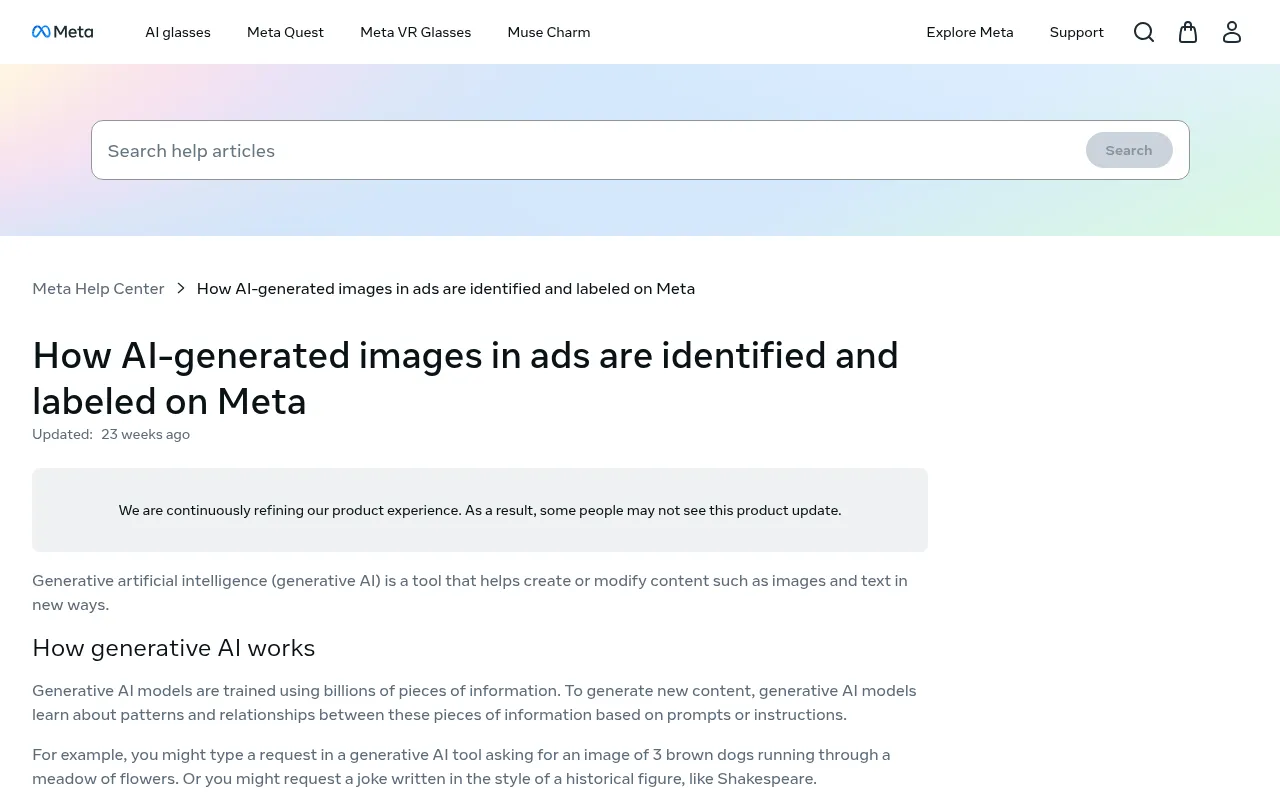
Meta: Meta’s help center says it labels ad images “created or significantly edited” with its own generative tools, or created or edited with third-party AI tools, with AI info. That label appears on the “About this ad” screen and sometimes next to the Sponsored label. Meta also says: “Not all ads will have AI info, like when there are minor changes or enhancements like image resizing or color correction.” Ads about social issues, elections or politics already have a stricter self-disclosure rule. Page checked 9 November 2026 (Meta Help Center). For the related Meta UGC disclosure walkthrough, see our post on disclosing AI UGC ads on Meta.
EU AI Act Article 50: Transparency obligations for providers and deployers of certain AI systems apply from 2 August 2026. Providers of systems that generate synthetic image content must mark outputs in a machine-readable way where technically feasible. Deployers who generate or manipulate image, audio or video that constitutes a deepfake must disclose that the content was artificially generated or manipulated, clearly and at first exposure (Article 50 summary; EUR-Lex consolidated text).
New York synthetic-performer ads: Foley notes New York’s AI Transparency in Advertising / synthetic performer disclosure law as effective 9 June 2026 for commercial ads that use an AI-generated synthetic performer. Treat that as a separate disclosure duty from Fashion Workers Act consent. Confirm the current statute text with counsel before you rely on it for a live buy.
Who owns AI fashion images?
Contract rights and copyright are different questions.
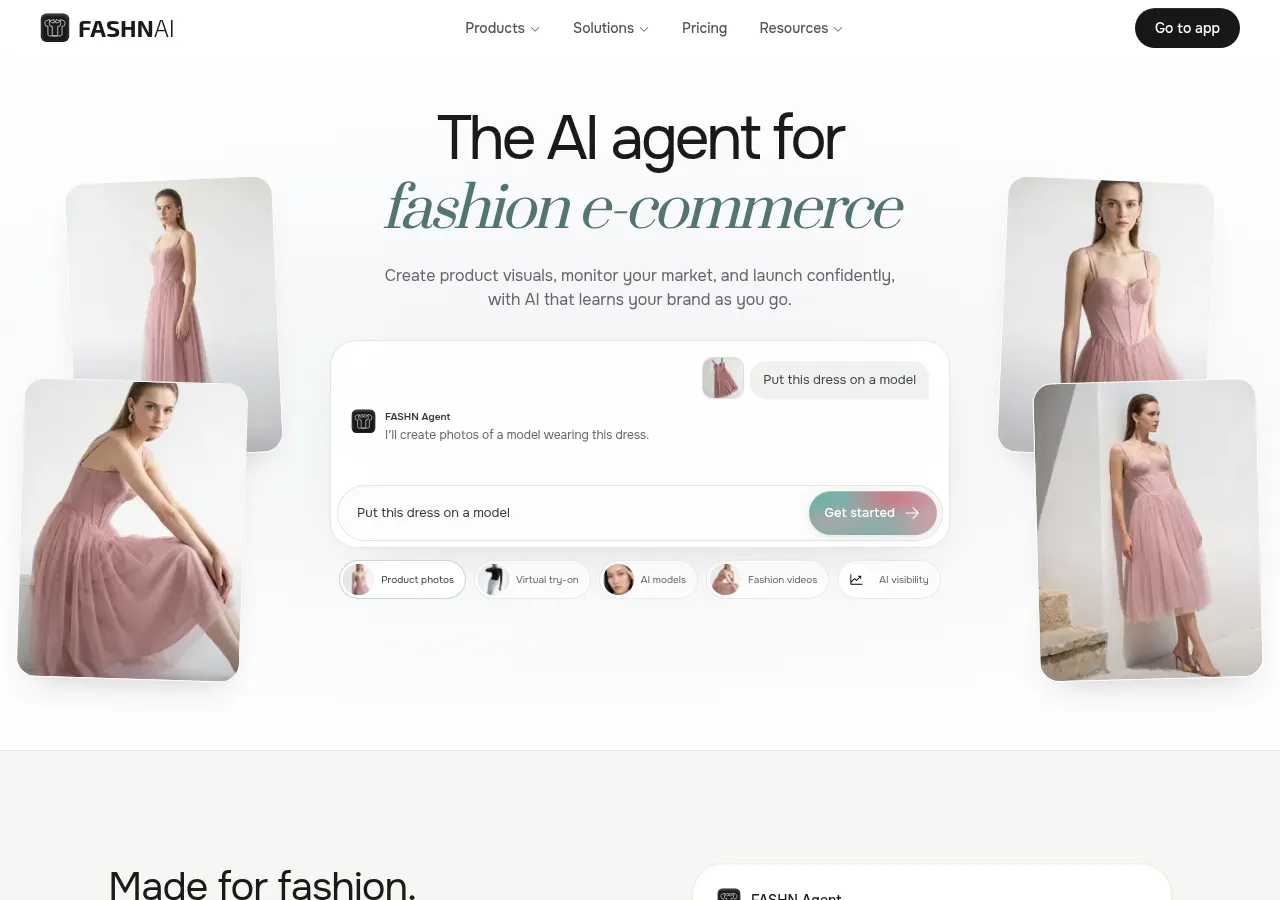
Tool contracts: FASHN’s Terms say that as between you and FASHN, and to the extent permitted by law, you own the outputs generated for you, and FASHN assigns any rights it may have in those outputs. You may use them for personal or commercial purposes in accordance with your subscription plan. FASHN also says it will not use Customer Content to train models unless you expressly opt in (FASHN Terms of Service, checked 9 November 2026).

Midjourney’s commercial-use help page says you own the images you create, with two hard limits: (1) upscales of another user’s image belong to the original creator, and (2) if you are part of a business grossing more than $1,000,000 USD a year, you need a Pro or Mega plan to use images commercially for the company (Midjourney: Using Images & Videos Commercially).
US copyright: The U.S. Copyright Office’s Part 2 report on copyrightability (29 January 2025) concludes that copyright does not extend to purely AI-generated material where there is insufficient human control over the expressive elements, and that prompts alone generally do not provide that control. Human-authored selection, arrangement or creative modification can still be protected. Read the Office’s own summary on copyright.gov/ai.

So: a paid plan may give you contractual permission to sell or advertise with the file, while US copyright registration may still refuse protection for a wholly machine-made image. Keep both ideas separate in client SOWs.
A compliance checklist for clothing brands
- Is the image fully synthetic, or based on a real person’s likeness?
- If real: do you have separate written consent covering scope, purpose, pay and duration?
- Does your tool plan expressly allow commercial use for a company of your size?
- Are you implying a real customer or celebrity testimonial you cannot support?
- Will Meta, TikTok, EU markets or New York ad rules expect an AI / synthetic-performer disclosure?
- Save dated copies of the tool terms, consent forms and generation prompts with the campaign files.
FAQs
Can I use AI models on my Shopify store?
Generally yes if the tool plan grants commercial rights and the image is not a digital replica of a real person without consent. Recheck the vendor terms on the day you publish.
Do I need model releases for AI models?
Not for fully synthetic models with no identifiable person. Yes (and more than a standard release) for digital replicas of real models, especially under New York’s Fashion Workers Act.
Does Meta automatically label my AI fashion ads?
Meta says it labels ads created or significantly edited with its generative tools or with third-party AI tools with AI info, but not every minor edit gets a label. Do not treat the absence of a label as proof that disclosure rules do not apply elsewhere.
Can I copyright a pure AI fashion image in the US?
The Copyright Office’s January 2025 Part 2 report says purely AI-generated material without sufficient human creative control is not copyrightable. Human selection, arrangement or creative edits may still qualify for protection of those human contributions.
Is this legal advice?
No. Laws differ by market and change often. Talk to counsel before you ship campaigns that use real-person likenesses or synthetic performers in regulated ad markets.
Get help from Kreativemedia
Want on-model catalog work handled with commercial-plan tools and a clear paper trail, instead of guessing consent rules mid-campaign? Kreativemedia produces AI fashion visuals for clothing brands. Book a free 15-minute session on TidyCal, or start from kreativemedia.io.

Jitendra Vaswani is an SEO expert, AI and marketing professional, and the founder behind Kreativemedia. He started BloggersIdeas in 2013, runs AffiliateBooster and SchemaNinja, and through DigiExe has worked with 1,400+ clients across 28 countries. He is the international bestselling author of Inside A Hustler’s Brain (20,000+ copies) and has spoken at Affiliate Summit, Affiliate World, DMSS and TES. Find him at jitendra.co.